If you are currently navigating the healthcare system for chronic nerve pain, you have likely reached a point of exhaustion. Neuropathic pain—often described as burning, shooting, or electric-shock sensations—is notoriously difficult to manage. For years, the standard treatment path has involved a trial-and-error approach with anti-convulsants or antidepressants, often accompanied by a litany of unwanted side effects.
Since the change in legislation in November 2018, the landscape for medical cannabis in the United Kingdom (UK) has shifted. However, there is a vast difference between what the headlines promise and what patients actually experience. As someone who has spent nine years navigating the National Health Service (NHS)—the UK’s publicly funded healthcare system—I have seen how gaps in care lead patients toward private specialist reviews. This guide is designed to cut through the noise and explain exactly how access works today.
The 2018 Legalization: What Actually Changed?
In November 2018, the UK government reclassified cannabis-based products for medicinal use (CBPMs) from Schedule 1 to Schedule 2. This meant that, for the first time, specialist doctors could legally prescribe cannabis for medicinal purposes.
However, it is vital to be realistic: this was not a blanket legalization for all chronic pain. The legislation was drafted with extreme caution. It was primarily focused on specific conditions like treatment-resistant epilepsy in children, spasticity in multiple sclerosis, and chemotherapy-induced nausea. For those suffering from neuropathic pain, the pathway remains complex. It is not a first-line treatment; it is a "third-line" option, meaning you generally must have exhausted all conventional NHS treatments before a doctor will consider https://highstylife.com/how-long-does-it-take-to-go-from-online-assessment-to-prescription/ a prescription.
Why Is the NHS So Cautious?
If you ask your NHS GP (General Practitioner) for a medical cannabis prescription for neuropathic pain, you will likely be met with a firm "no." This is not necessarily because they don't believe in the science; it is because the National Institute for Health and Care Excellence (NICE) guidelines are incredibly conservative.
The NHS operates on a massive scale, and their prescribing protocols require robust, long-term clinical data to justify new treatments. Because medical cannabis is a complex plant, standardizing dosing and proving long-term safety across diverse patient populations is a monumental administrative and clinical task. Currently, NHS specialists are advised against prescribing cannabis for chronic pain due to a perceived lack of clinical and cost-effectiveness evidence. As a result, almost all patients seeking these treatments today do so through private clinics.
The Rise of Private Telehealth Platforms
The access gap left by the NHS has been filled by a growing sector of private clinics. These providers use digital-first healthcare, which relies heavily on telehealth platforms and video consultations. This model has revolutionized how patients with chronic conditions access specialists.
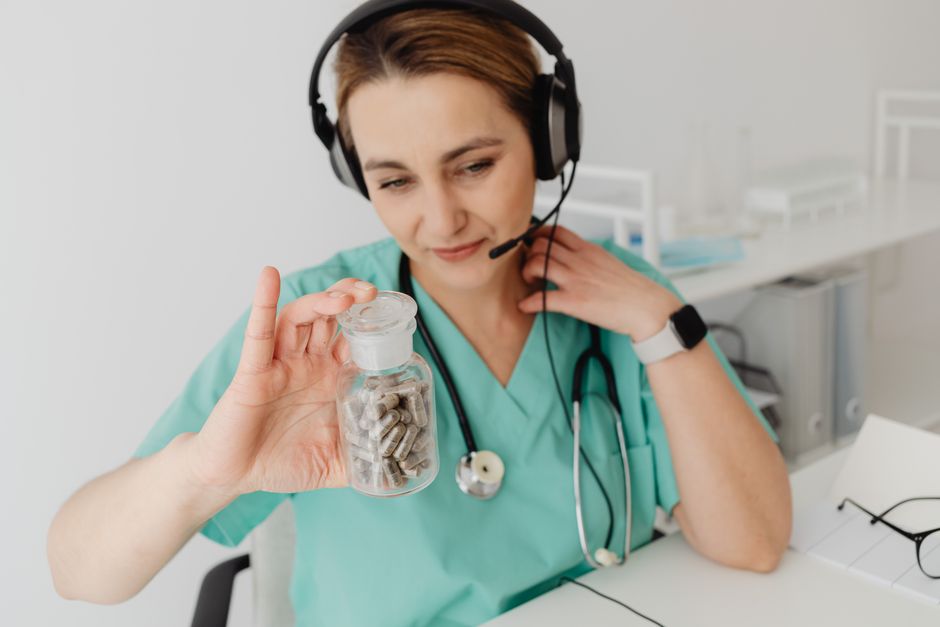
A typical neuropathic pain consultation now happens entirely online. You do not need to travel to a physical clinic. Instead, you undergo a screening process, submit your medical records (the "Summary Care Record"), and meet with a specialist https://smoothdecorator.com/how-chronic-pain-affects-daily-life-the-reality-beyond-the-surface/ who is listed on the General Medical Council (GMC) Specialist Register.
Here is what usually happens next: After you book your appointment, the clinic will contact your GP to request your medical history. If that request is delayed, your appointment will be delayed. It is your responsibility to ensure your GP surgery has authorized the release of these notes.
The Workflow: What to Expect
Accessing these services is a specific administrative journey. It is not like buying a supplement from a high-street shop. It is a strictly controlled medical process. Below is the standard workflow for a patient seeking a specialist review in the UK:
Eligibility Screening: You fill out a digital form detailing your condition, previous medications, and current pain levels. Medical Record Transfer: The clinic requests your records to confirm that you have "failed" conventional treatments (usually at least two different classes of medications). Video Consultation: You meet with a specialist who will evaluate your case. This is not a guarantee of a prescription. Multidisciplinary Team (MDT) Review: A panel of specialists reviews your case to ensure the prescription is safe and appropriate. Pharmacy Fulfillment: If approved, the prescription is sent to a specialist pharmacy, which then ships the medication directly to your door via a courier.Comparison: NHS vs. Private Access
Feature NHS Pathway Private Clinic Pathway Access Highly restricted; rarely prescribed for pain Available for those who meet criteria Cost Free at the point of use Consultation fees + monthly medication costs Speed Months/Years of waiting Usually weeks Focus Conservative NICE guidelines Specialist clinical judgmentThings Patients Wish They Knew Before the First Video Consult
Through my years of advocacy and interviewing patients, I’ve kept a running list of the "hidden" realities that clinics don't always highlight in their marketing materials. If you are preparing for your first specialist review UK, keep these in mind:
- The "Failure" Proof: You must have clear evidence that you have tried conventional medications. If you haven't been on at least two standard neuropathic pain medications (like Gabapentin or Amitriptyline), you will likely be turned away. The Cost is Ongoing: This isn't a one-off payment. You will need follow-up appointments every few months to review your prescription, and these come with their own consultation fees. Pharmacy Logistics: Your medication is usually sent via tracked courier. Someone must be home to sign for it. It is not just a standard letter-box delivery. Cannabinoids are not one-size-fits-all: You will likely start with a low dose of CBD (Cannabidiol) and slowly introduce THC (Tetrahydrocannabinol) to see how it affects your pain and your cognitive function. The "Miracle" Trap: Avoid any clinic that suggests you will be pain-free overnight. Manage your expectations: the goal is usually a reduction in pain scores and an improvement in sleep or functionality, not a total elimination of symptoms.
Chronic Condition Management and Digital-First Healthcare
The beauty of digital-first healthcare is the ability to track your progress. Many clinics now use patient portals to monitor your chronic condition management. You might be asked to log your pain levels daily or weekly. This data is essential for your follow-up specialist review. If you go to your follow-up with no data, the doctor has very little to work with when deciding whether to adjust your dose or switch your medication profile.
However, keep in mind that digital health does not replace the human element. If you feel like a "number" in the system, you are allowed to switch clinics. Your medical records are yours to request, and you can transfer them to another provider if you feel you aren't getting the care you deserve.
Final Thoughts: Reality-Checking the Process
Medical cannabis is not a panacea. It is a serious, regulated medicine that requires a level of discipline and financial commitment that many patients are not prepared for. It is fundamentally different from the CBD oil you buy in a health food store—which is generally unregulated and lacks the clinical-grade precision required for neuropathic pain.

If you choose to pursue this route, treat it as a medical collaboration with your specialist. Be honest about your symptoms, keep your data, and understand that you are embarking on a process of trial and error. Do not look for "miracle relief"; look for a measurable improvement in your quality of life. The 2018 legislation opened a door, but it is a narrow one, and walking through it requires patience, documentation, and a realistic mindset.
A final reality check: If you are struggling with your mental health alongside your pain, ensure you mention this during your consultation. Cannabis can interact with certain medications and existing mental health conditions; being transparent with your specialist is not just a bureaucratic requirement—it is a safety necessity.