Small-group executive forums are goldmines for meaningful peer discussion and strategic relationship-building — but they can also feel like a minefield if you’re worried about coming across as “salesy.” Knowing how to navigate SITC annual meeting executive forum etiquette while delivering genuine value can make all the difference in developing lasting connections, especially in specialized fields like oncology, translational science, and international oncology partnerships.
Conference Selection Based on Networking Goals: Executive Access vs. Broad Exposure
The first step to effective networking in a small-group setting is choosing the right event. Not all conferences are created equal, and your approach should depend on whether you want executive access or a wider industry presence.
Executive Forums & VIP Receptions: Where Quality Outweighs Quantity
Small-group executive forums and VIP receptions intentionally restrict attendee numbers to foster deep, candid exchanges. These curated forums give you direct access to senior oncology leaders and decision-makers, making conversations more relevant and impactful.
- Pros: Personalized engagement, focused peer discussion, insider insights Cons: Limited exposure, fewer casual networking opportunities
If your goal is to cultivate meaningful collaborations, such as research and translational science partnerships, these intimate settings are ideal. You’ll be in the room with peers who shape oncology programs, biotech strategies, and market innovations—not just a crowd of attendees.
Satellite Events: Broad Exposure Without Losing Executive Touchpoints
Many conferences now offer satellite events—smaller oncology conference calendar 2026 gatherings adjacent to larger meetings—that balance access and scale. Satellite events often focus on hot topics like international oncology market insights or translational research breakthroughs.
- Pros: Access to diverse international leaders, topic-focused discussion, opportunities to expand your footprint Cons: Harder to ensure deep, personal conversations, greater variability in attendee seniority
Use satellite events strategically to gain broad visibility while still scouting for key executives to engage within small-group environments.

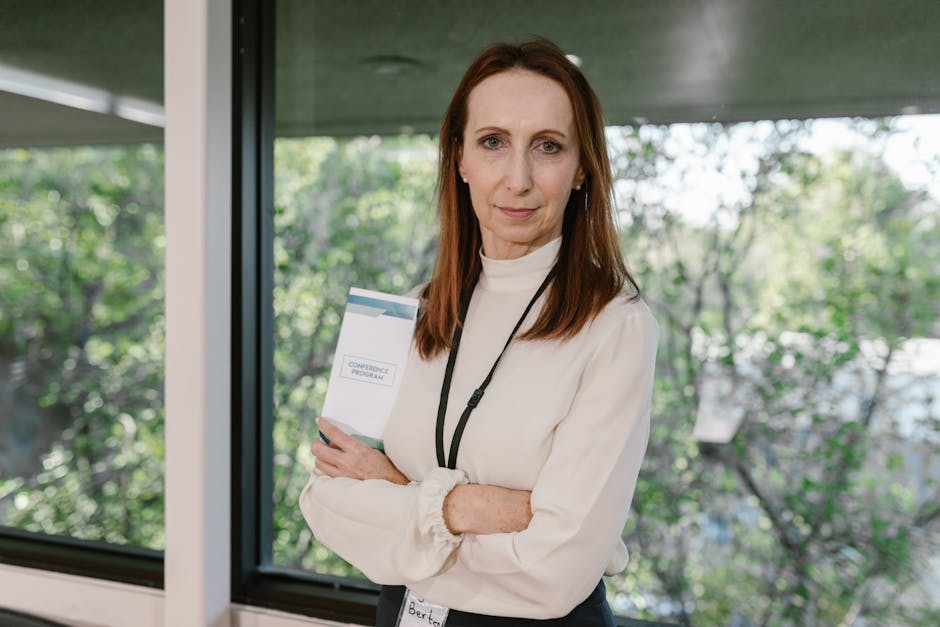
Before the Forum: Research & Preparation for Small Group Exchange
Who exactly will be in the room? This question is your GPS for sound executive forum etiquette. Organizers often provide attendee lists or profiles ahead of time — use these to tailor your approach:
Identify potential collaborators: Look for oncology leaders with compatible research interests or complementary market footprints. Prepare thoughtful questions: Avoid generic “What do you do?” lines. Instead, ask about recent translational science initiatives or challenges in international oncology partnerships. Define your objective: Are you aiming to learn, to connect peers, or to explore collaboration opportunities? Clarity helps avoid salesy tangents.Preparation signals respect and professionalism—two pillars of executive forum etiquette.
During the Forum: Cultivating Real, Peer-Level Discussion
Effective networking here isn’t about pitching products or services; it's about creating value through genuine exchange.
3 Tips to Avoid Sounding Salesy
- Lead with curiosity: Show authentic interest in others’ work and challenges before sharing your own perspective. Frame your contributions strategically: Instead of touting features, discuss solutions or trends that advance research or clinical outcomes. Listen more than you talk: Small groups thrive on reciprocity. People remember who respected their voice.
Leveraging Peer Discussion for Collaborative Opportunities
Small-group settings naturally invite deeper conversations about translational science collaboration or navigating international oncology market dynamics. Look for common ground that can evolve into joint research projects, data-sharing, or co-developed clinical trials.
For example, a discussion on challenges in molecular diagnostics across regions may reveal opportunities for partnership between your biotech team and oncology centers abroad.
VIP Receptions: Exclusive Access with a Purpose
VIP receptions often complement executive forums, providing relaxed atmospheres for one-on-one or small circle interactions. Here’s how to maximize these opportunities:
- Engage selectively: Focus on quality over quantity. A few meaningful conversations beat dozens of surface-level chats. Follow up promptly: Exchange contact info with context (e.g., “Following up on our discussion about translational biomarkers…”). Bring value: Offer insights, resources, or introductions that align with the person’s interests without a direct sales ask.
After the Forum: Nurturing Relationships Without Being Pushy
Networking doesn’t end when the event does. A brief, thoughtful follow-up email referencing specific discussion points reinforces connection without feeling transactional.
Consider sharing relevant articles, inviting them to future satellite events, or facilitating introductions between peers. This approach demonstrates you’re invested in a reciprocal relationship—not just a sales cycle.
Summary Table: Networking Approaches for Small-Group Executive Forums
Networking Setting Focus Best Practices Risk of Sounding Salesy Small-Group Executive Forum Peer discussion, executive access Research attendees; ask thoughtful questions; listen actively Low if prepared and curious; high if pitching product/service prematurely VIP Reception Exclusive relationship-building Selective engagement; follow-up with context; bring value Moderate if too transactional; low if focusing on genuine rapport Satellite Event Broad exposure, topical discussions Target individuals strategically; participate in panels or roundtables Moderate if over-exerting sales pitch; low if sharing expertise collaborativelyFinal Thoughts
Networking in small-group executive forums requires a deliberate, respectful approach grounded in peer-level exchange and true curiosity. By carefully selecting the right events aligned with your goals, preparing thoroughly, and emphasizing genuine collaboration over sales, you can build valuable oncology partnerships and insights that last far beyond the event.
Remember: it’s not about who shouts the loudest but who listens well and fosters meaningful dialogue.