In the quest for healthier, longer lives, the exercise frequency debate continues to spark curiosity among wellness enthusiasts and casual movers alike. If you watch GB News or manage your GB Loyalty Points account online, you might have noticed wellness tips popping up here and there—with claims that sometimes feel too good to be true. Before you jump on the latest trend, it’s worth sanity-checking: Is it better to invest a tiny 60-second workout daily, or does consistency lie in longer exercise sessions twice a week?
Longevity Curiosity and Hype Control: What Really Matters?
With longevity research exploding, headlines touting “instantly add years” or “miracle 1-minute exercises” flood social media and even some health segments on GB News. The reality? There’s no magic bullet—especially when the advice lacks references to specific studies, journals, or experts. A common mistake in many online wellness pieces is omitting these details, which makes it harder to assess validity.
True health gains come from habit-driven consistency, not hype. To separate fact from fad, ask yourself what this would really look like on a Tuesday morning, when life’s messier and distractions abound. It's not always that simple, though. Can you realistically do a workout every day? Twice a week? Understanding your own routines and limitations is vital for lasting change.
The Case for Daily Short Workouts vs Longer Workouts Twice a Week
Both approaches offer benefits, but which aligns best with your lifestyle, goals, and safety considerations? Let’s break it down:
Criteria 60-Second Daily Workouts Longer Workouts Twice Weekly Consistency & Habit Formation Easy to fit into any day; builds micro-habits and momentum Requires dedicated time blocks; can feel harder to maintain if busy Volume & Intensity Limited volume per session; intensity can be high but brief Allows for higher overall workout volume and structured progress Longevity & Health Impact Supports daily movement; good for circulation and mobility Better for cardiovascular fitness and muscle strength development Safety & Recovery Low injury risk if movements are gentle; less strain on joints Requires attention to warm-up and recovery; higher injury potential if intensity is too highConsistency vs Volume: What Does Research Say?
While we won’t drop study names here, prominent exercise science experts emphasize that both consistency and volume matter, but in different ways. Short daily bouts can improve movement habits and reduce sedentariness—a common modern health risk—while longer sessions build cardiovascular endurance, muscle strength, and metabolic health more robustly.
Importantly, for older adults or those with health conditions, shorter daily movements may be safer and more manageable, avoiding overuse injuries and promoting sustainable activity.
Micro-Workouts and Habit Stacking: Tiny Habits That Stick
If daily 60-second workouts sound intimidating or negligible, think of them as breadcrumbs leading to healthier days. A concept called habit stacking perfectly complements micro-workouts: pairing new tiny exercises with existing routines to make them effortless.
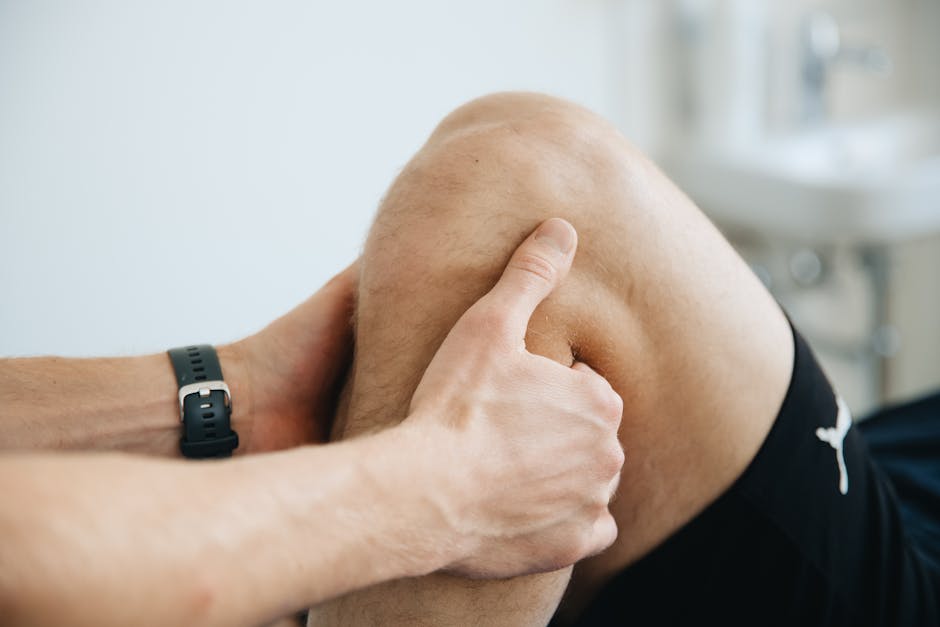
- Example: Right after brushing your teeth, do 30 seconds of wall push-ups and 30 seconds of seated leg lifts. Example: Each time you log into your Support page or check your My Account area (maybe where you also track your GB Loyalty Points), pause for a quick stretch or calf raise. Example: Set a daily alarm or use GB News commercial breaks as cues to do 1-minute movement bursts.
By integrating movement into unavoidable moments, you create a low-barrier habit that quietly stacks up over weeks and months.

60-Second Movement Ideas You Can Do Anywhere
March in place: Pump your arms and lift knees at a steady pace. Chair squats: Stand up and sit down slowly from a sturdy chair. Wall push-ups: Lean into a wall and push away in controlled reps. Calf raises: Rise onto toes, slow and deliberate, to improve ankle strength. Seated twists: Sit tall and gently twist your torso side to side to open your spine.Intensity and Safety Basics: Keeping It Real
One of my biggest peeves is vague advice like “just move more” without grounding it in safety or individual needs. Regardless of workout length, intensity should always be tuned to your current fitness and health status. Here’s a quick sanity checklist before diving in:
- Check with your doctor: Particularly if you have injuries, chronic conditions, or take medications. Warm up briefly: Even 30 seconds of gentle movement prepares muscles and joints. Start slow: Ease into workouts; avoid pushing through pain. Listen to your body: If you feel dizzy, sharp pain, or excessive breathlessness, pause. Rest days matter: Even with daily micro-workouts, include light or recovery movements.
By respecting these basics, your routine will be safer and more sustainable—ultimately supporting better longevity outcomes.
Wrapping Up the Exercise Frequency Debate
So, is it better to do a 60-second workout every day or longer workouts twice weekly? The truth is: it depends. Your current health, lifestyle, and goals all shape the best approach. For beginners or people pressed for time, daily micro-workouts increase overall movement and encourage positive habit stacking. For those looking to build endurance or muscle, longer, focused sessions matter more.
Whichever you choose, stay curious but cautious—watch out for hype-heavy claims without credible backing, and keep it practical. Check your GB Loyalty Points account or gbnews Support page for wellness discounts or exclusive tips, and remember: consistency beats chaos. A tiny habit every day often outperforms a “big” unsustainable effort twice a week.. Pretty simple.
In health and exercise, real progress rarely happens with instant magic tricks. Instead, it looks like intentional incremental moves, sprinkled thoughtfully into ordinary days.