If you’re like many home cooks who have embraced CBD tinctures, you might have found yourself stashing that little amber glass bottle somewhere easily accessible—often in the cabinet above the stove. Though it seems convenient, this popular spot could be the worst place to store your CBD oil. Whether you’re a seasoned user of brands like Joy Organics—known for their USDA-certified organic products—or just getting started with CBD-infused cooking, understanding how heat and storage conditions affect CBD tinctures is key to preserving potency, aroma, and effectiveness.
In this blog post, we'll explore why heat degrades CBD tincture, why you should always store CBD away from the range, how to use your tincture smartly in cooking, and the best kitchen storage CBD practices to keep your investment fresh and potent.
What Happens When You Store CBD Oil Above the Stove?
The cabinet above your stove might seem like a convenient spot due to easy access while cooking. However, this area is subject to frequent and fluctuating temperatures from stovetop heating, broiling, and even residual heat from nearby burners. Cannabinoids like CBD are sensitive molecules, and heat is one of the biggest enemies in maintaining their integrity.
- Heat degrades cannabinoids: Exposure to heat causes the molecular breakdown of CBD and other cannabinoids. When CBD molecules break down, their potency decreases and may alter or diminish desired effects. Loss of aroma and flavor: The delicate terpenes and aromatic compounds in full-spectrum or broad-spectrum CBD oils evaporate or degrade with heat. This results in a tincture that smells flat or off. Reduced shelf-life: Constant heat exposure accelerates oxidation processes in the oil’s carrier, shortening its usable life.
The Chemistry of Heat and CBD
CBD, or cannabidiol, sits within a family of compounds called cannabinoids found in hemp and cannabis plants. These molecules are relatively stable but sensitive to environmental factors. When exposed to heat—even moderate heat from a stove cabinet—decarboxylation and oxidation can occur prematurely, degrading the active compounds.
This is why extraction methods, bottling, and storage conditions are tightly controlled by brands compliant with the USDA National Organic Program. If you’re using USDA-certified organic CBD like those from Joy Organics, proper storage is critical to maintain that high-quality standard in your home.
Why Amber Glass Bottles and Droppers with Fill Lines Matter
Many premium CBD tinctures, including Joy Organics, come in amber glass bottles with droppers marked with fill lines. These design details are far more than aesthetics—they’re there to protect your tincture and help you dose accurately.
- Amber glass blockage: Amber glass filters out UV and some visible light wavelengths that can degrade CBD over time. During your kitchen storage, keeping your tincture in amber glass helps slow down photodegradation—an essential factor alongside temperature. Dropper with fill line for precise dosing: This ensures measured, repeatable doses without guesswork or wastage. Given how sensitive your tincture is, following strict dosing pays off both in potency and taste.
However, even these thoughtful design elements can only do so much—if the bottle sits near heat, you’re undoing the protective benefits of amber glass. So even if you have a high-quality bottle, keep it cool and away from the stove.
Smart Ways to Use and Store CBD Tincture in Your Kitchen
Many of my friends and family who use CBD oils delight in cooking with them, but there are some key tips for success—especially when it comes to heat and fat.
1. Add CBD Tincture Off Heat at the End
One of the biggest pet peeves I have is when recipes just say “add a dropper” without clarifying crucial details like adding off heat. Direct heat breaks down the CBD and wastes money fast. Instead, after you finish your cooking where heat is involved, wait until the dish cools slightly or is off the burner, then stir the tincture in gently.
2. Use Fat-Based Carriers for Better Dispersion
Most CBD oils are infused in a carrier oil—often MCT, hemp seed oil, or olive oil. These fat-based carriers disperse and absorb best when incorporated into foods with some fat content, like salad dressings, sauces, or baked goods rich in butter or oil. Fat helps dissolve and carry the cannabinoids, enhancing bioavailability.

3. Avoid Water-Only Drinks Unless Adding Fat First
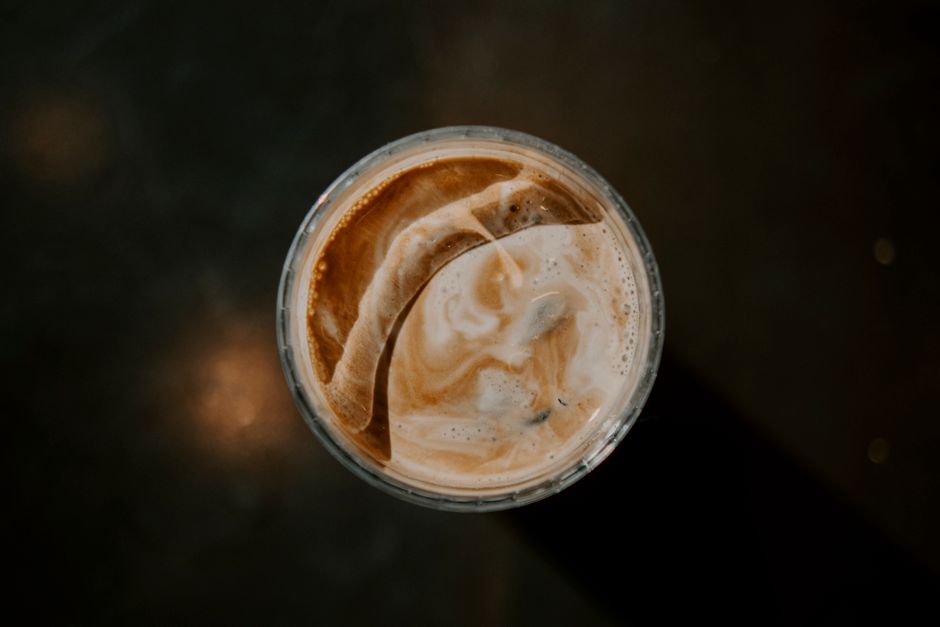
The same concept applies to drinks. Adding a CBD tincture directly to plain water can cause it to separate or float, affecting flavor and absorption. If you prefer a beverage, try mixing the tincture into milky or creamy drinks like coffee with cream, smoothies with avocado, or even a coconut milk latte to emulsify the CBD oil and boost delivery.
Why Your CBD Storage Spot Matters: A Case Study in Google Analytics Data
Interestingly, an analysis of web traffic from multiple CBD blogs and retailers using Google Analytics demonstrates that many users search for terms like “ heat degrades CBD tincture” and “ store CBD away from range” far more than general storage tips. This suggests a widespread awareness—and frustration—with poor storage advice circulating online.
From firsthand feedback and data, it’s clear that educating about proper CBD kitchen storage and preparation is not just academic—it directly impacts consumer satisfaction and product efficacy. Brands like healthstartsinthekitchen.com Joy Organics lead with transparency and quality but rely on you to keep those standards in your kitchen.
Kitchen Storage CBD: Best Practices Summary
Storage Aspect Recommended Practice Why It Matters Location Store in a cool, dark place away from oven, stove, or heat-emitting appliances Prevents heat degradation and preserves cannabinoid potency Container Use amber glass bottles with tight lids; avoid plastics or clear glass in light Blocks UV light and preserves oil from photodegradation Dosing Use dropper with fill line for precision; measure carefully Controls potency and avoids waste or inconsistent effects Cooking Add tincture off heat, at the end of cooking process Prevents cannabinoid breakdown from high heat exposure Food Pairing Incorporate into fat-containing foods or beverages Increases bioavailability and prevents separationFinal Thoughts
If you cherish your CBD tincture—whether from Joy Organics or another high-quality, USDA National Organic Program-certified brand—don’t let poor storage habits reduce its value. The cabinet above your stove might be convenient, but it’s a steady source of heat fluctuations that lead to degraded cannabinoids, altered aroma, and diminished potency. Instead, choose a cool, dark cupboard away from the range, and always use those handy amber glass bottles and precise droppers to maintain both freshness and dose.
By respecting your CBD oil’s sensitivity to heat and light, integrating it carefully into your cooking or beverages off heat, and ensuring it disperses well with fats, you can maximize both flavor and therapeutic benefits in every drop. Remember, dosing and storage aren’t just minor details—they’re the difference between “works well” and “waste of money.”
Next time you reach for your CBD tincture during meal prep, take a moment to put it down carefully away from the stove—and your pocketbook and palate will thank you.